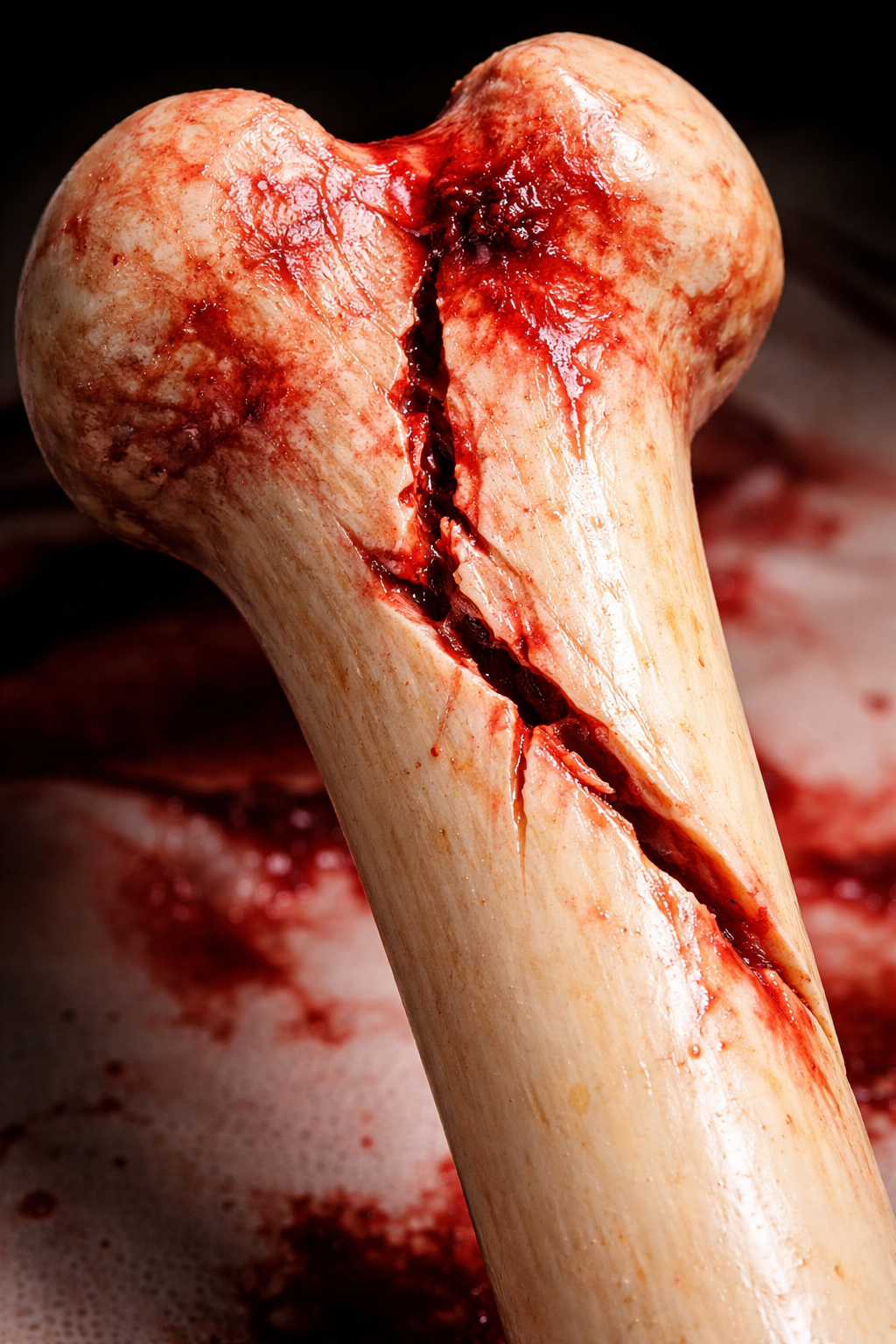
A bone crack refers to a break or fracture in the bone. It can range from a small hairline crack to a complete break that separates the bone into two or more parts. Some fractures are visible and painful immediately, while others may be subtle and worsen over time if left untreated.
Common Causes of Bone Cracks
Bone cracks can occur due to various reasons, including:
- Falls or accidents
- Road traffic accidents
- Sports injuries
- Sudden impact or trauma
- Osteoporosis (weak bones)
- Repetitive stress (stress fractures)
Older adults and people with calcium or vitamin D deficiency are at a higher risk.
Symptoms of a Bone Crack
The symptoms may vary depending on the severity and location of the fracture, but common signs include:
- Sharp or continuous pain
- Swelling and tenderness
- Bruising or discoloration
- Difficulty moving the affected area
- Deformity in severe cases
- Pain that increases with movement or pressure
If any of these symptoms appear after an injury, medical attention is necessary.
Types of Bone Cracks
Some common types of fractures include:
- Hairline (Stress) Fracture: Small cracks caused by repeated stress
- Simple Fracture: Bone breaks but does not pierce the skin
- Compound Fracture: Bone breaks and pierces the skin
- Greenstick Fracture: Common in children where the bone bends and cracks
- Compression Fracture: Often affects the spine, common in osteoporosis
Diagnosis of Bone Crack
Doctors usually diagnose bone cracks using:
- X-rays
- CT scans
- MRI scans (for stress or soft tissue damage)
Early diagnosis helps in faster and safer healing.
Treatment Options
Treatment depends on the type and severity of the fracture:
- Rest and immobilization using a cast or splint
- Pain management with prescribed medication
- Physiotherapy to restore movement and strength
- Surgery in severe or complicated fractures
- Calcium and vitamin D supplements for bone strength
Healing time may vary from a few weeks to several months.
Prevention Tips
You can reduce the risk of bone cracks by:
- Maintaining a calcium-rich diet
- Getting enough vitamin D
- Exercising regularly to strengthen bones and muscles
- Using protective gear during sports
- Preventing falls, especially in elderly individuals
- Avoiding smoking and excessive alcohol consumption
When to See a Doctor
Seek medical help immediately if:
- Pain is severe or worsening
- Swelling or deformity is visible
- You cannot move the affected area
- There is an open wound with exposed bone
Conclusion
A bone crack is a serious injury that should never be ignored. With proper diagnosis, timely treatment, and healthy lifestyle choices, most fractures heal successfully. Taking care of your bones today ensures better mobility and strength in the future